
Views: 0 Author: Site Editor Publish Time: 2026-11-06 Origin: Site


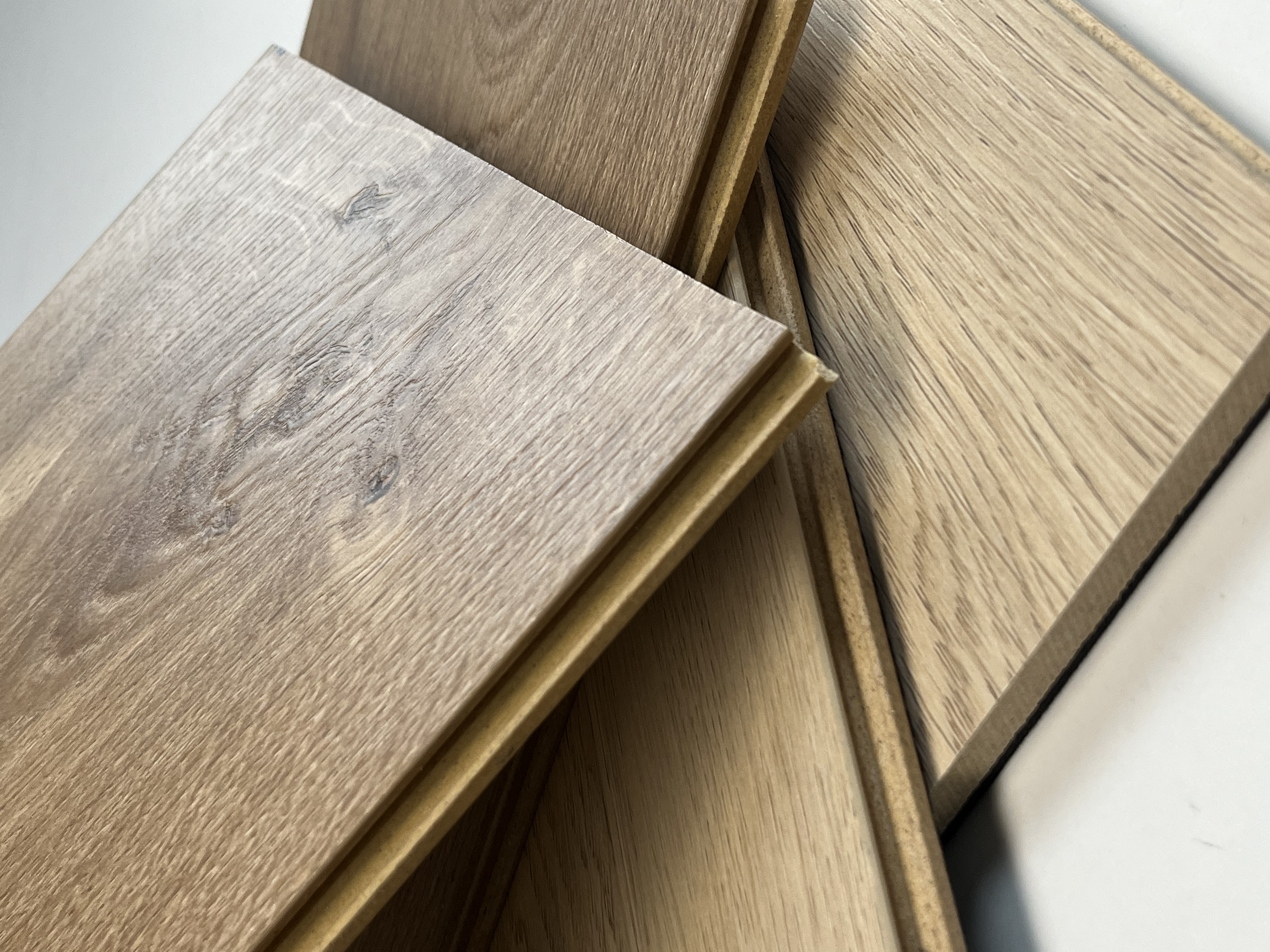
In the flooring industry, some products look similar at first glance but are made with very different core materials. MFB and MgO flooring are two examples.
Both are known for offering better water resistance than ordinary laminate flooring, and both may be presented as alternatives for customers looking for more moisture-resistant wood-look flooring. However, they are not the same product. In fact, treating MFB and MgO as equivalent varieties is a common misunderstanding, even among experienced flooring retailers.
For distributors, retailers, contractors, and other flooring professionals, understanding the difference matters. The two products have different material compositions, performance characteristics, and price positions. Knowing what distinguishes them can help you evaluate products more accurately and select the right option for your collection.
In this article, we will look at the key differences between MFB and MgO flooring, including their core materials, environmental considerations, durability, and practical ways to identify them.
First, it is important to clarify one point: MFB is not another name for MgO, and the two should not be treated as interchangeable products.
Although both offer improved water resistance compared with most conventional laminate flooring, their core materials are different.
One major distinction is the materials used in their production:
MFB flooring generally makes greater use of recycled materials.
MgO flooring is made primarily with new materials.
This difference in material composition is relevant not only to how the products are manufactured, but also to their environmental performance and overall product positioning.
MgO flooring is generally positioned at a higher price level than MFB. This is not simply a difference in naming or marketing. The two varieties have different material characteristics and performance levels.
Material composition is one of the fundamental differences between MFB and MgO flooring.
MFB uses a greater proportion of recycled materials, while MgO relies primarily on new materials. In terms of environmental performance, MgO generally offers an advantage in VOC and formaldehyde emissions, with lower emission levels than MFB.
For flooring professionals, this distinction is worth understanding when evaluating products for customers with more demanding environmental requirements.
However, product claims should always be supported by the relevant test reports. If environmental performance is an important selling point for a particular project or market, it is better to compare the actual emission test results of the products rather than rely on the material name alone.
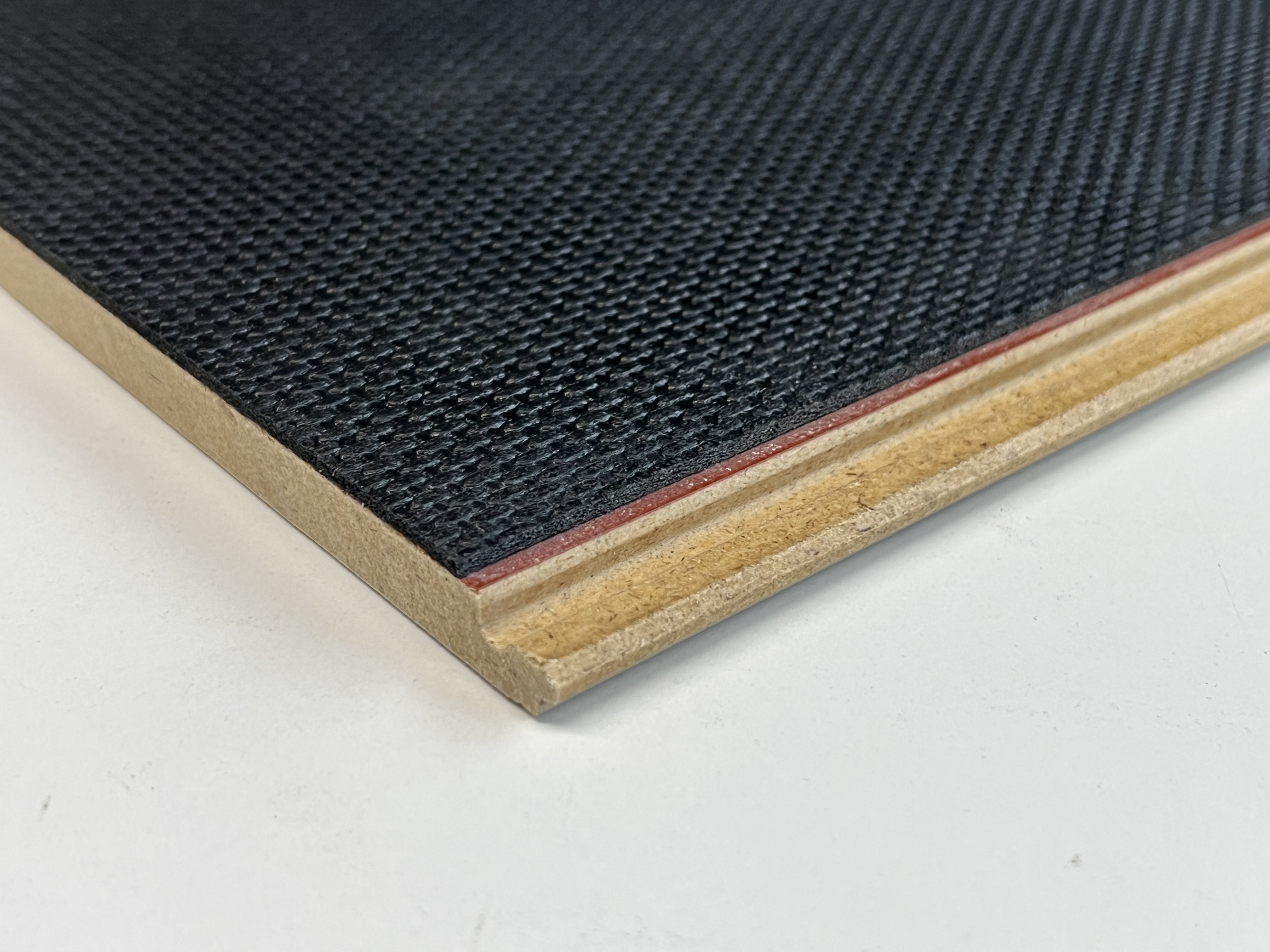
Suggested photograph: A close-up of the core or cross-section of each flooring plank, placed side by side. This helps readers understand that MFB and MgO are different core constructions rather than two names for the same material.
Another important difference is durability.
In general, MgO flooring offers better durability than MFB flooring. Together with its material composition and environmental performance, this is one of the reasons MgO is usually more expensive.
For customers who are developing a premium flooring collection, durability and product positioning are important considerations. MgO can be a suitable option when the goal is to introduce a higher-end product rather than compete primarily on price.
MFB, on the other hand, should not be regarded as an inferior or unsuitable product simply because it is positioned below MgO. It offers a more cost-efficient route to water-resistant wood-look flooring and can be a practical choice for customers whose budgets do not accommodate MgO.
The important point is to understand what each product is designed to offer, rather than assuming that one variety can always replace the other.
For flooring retailers and buyers, one of the most practical questions is how to distinguish the two products when examining physical samples.
There are several ways to make an initial comparison. Looking at the plank's side structure is particularly useful, while simple demonstrations can provide further insight into their differences.
One visible clue can be found along the side of the plank.
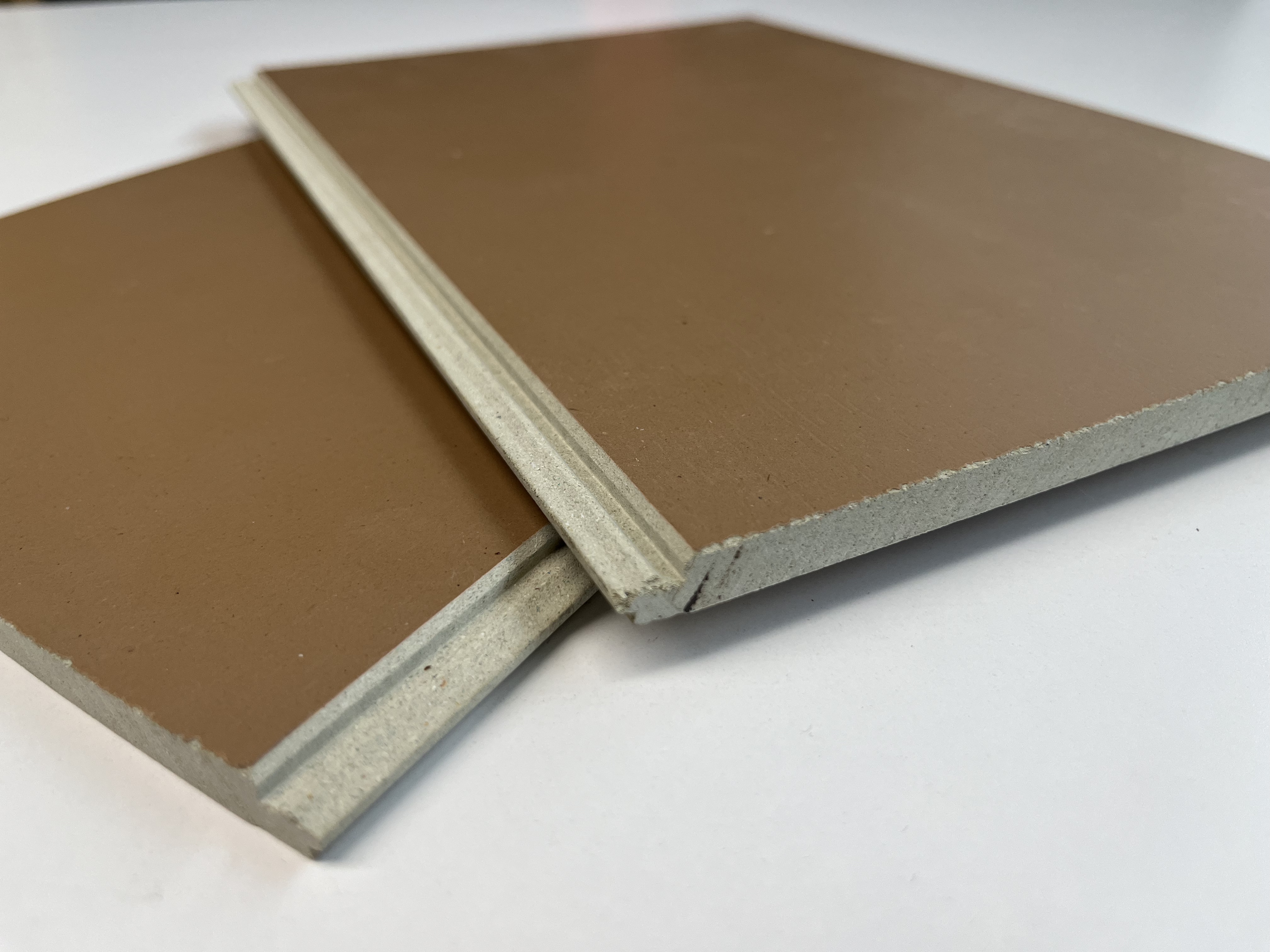
MFB flooring usually has a greyer-looking side or layered structure. When examining the cross-section, mineral granules or lines may also be visible inside the core.
These characteristics can help distinguish an MFB sample from an MgO sample during an initial inspection.
Suggested photograph: A clear, close-up side-by-side photograph of an MFB plank and an MgO plank. Make sure the side layers and core structures are visible. Use labels to identify each sample.
Note: These are visual identification clues, not a substitute for confirming the product's actual material composition with the supplier or relevant technical documentation.
Both MFB and MgO flooring offer better water resistance than most ordinary laminate flooring. However, MgO generally performs better than MFB in water-resistance comparisons.
A direct water-soaking demonstration using samples of both products can help illustrate this difference.
Suggested photograph: Show both samples before and after the same water exposure, with the test conditions clearly stated.
For a meaningful comparison, use samples of comparable dimensions and expose them to the same conditions for the same period. A demonstration can help readers observe the difference, but it should not be presented as a standardized test unless it follows a recognized testing method.
Another practical demonstration is to compare how the two flooring samples respond to cigarette heat.
In comparative demonstrations, MgO generally performs better than MFB in resisting cigarette burns.
This can be a useful visual way to introduce their different performance levels to customers. As with water exposure, however, the result depends on the test conditions. It should be treated as a demonstration rather than a replacement for formal product testing.
Suggested photograph: Show the two samples after the same cigarette-burn exposure, with the products and test conditions identified.
The following table summarizes the main differences discussed above.
| Comparison | MFB Flooring | MgO Flooring |
|---|---|---|
| Material composition | Uses more recycled materials | Made primarily with new materials |
| Environmental performance | Generally higher VOC/formaldehyde emissions than MgO | Generally lower VOC/formaldehyde emissions |
| Durability | Lower than MgO in general | Generally more durable |
| Side structure | Often greyer, with visible mineral granules or lines | Different core appearance; confirm through sample inspection |
| Water resistance | Better than most ordinary laminate flooring | Generally performs better than MFB |
| Cigarette-burn resistance | Generally lower than MgO | Generally better than MFB |
| Price positioning | More cost-efficient | Usually more expensive |
| Suitable positioning | Value-oriented and budget-conscious collections | Premium and higher-end collections |
The comparison describes general characteristics. Actual performance and specifications should always be confirmed against the particular product being considered.
Understanding the differences is useful, but choosing between MFB and MgO ultimately depends on your business positioning and target customers.
If you are looking to introduce a water-resistant wood-look flooring option while keeping the purchasing cost under control, MFB can be a good choice.
It provides an alternative for customers who want something beyond ordinary laminate flooring but cannot accommodate the higher cost of MgO.
For distributors and retailers serving price-sensitive markets, MFB can help broaden the product range without moving too far beyond the intended budget.
If you are considering adding a premium or high-end variety to your existing flooring portfolio, MgO is worth considering.
Its generally better durability, water resistance, and lower VOC/formaldehyde emissions make it a stronger option for customers looking for a higher-level product.
For retailers who want to develop a more differentiated collection, MgO can provide an additional product position above more cost-oriented alternatives.
MFB and MgO flooring are sometimes grouped together because they share certain characteristics, particularly their improved water resistance compared with ordinary laminate flooring.
But sharing one or two characteristics does not make two products equivalent.
Their material compositions are different. Their environmental performance and durability are different. Their price positions and suitable market applications are different, too.
For flooring professionals, the ability to recognize these distinctions is important when evaluating samples, comparing suppliers, and planning a product portfolio.
At DAREKAOU, we believe that selecting flooring should begin with understanding the product itself. Whether you are looking for a cost-efficient MFB option or considering MgO for a premium collection, our team is ready to discuss the differences and help you explore suitable flooring solutions for your market.
A well-planned flooring collection is not simply about adding more products. It is about choosing the right products for the right customers.


